
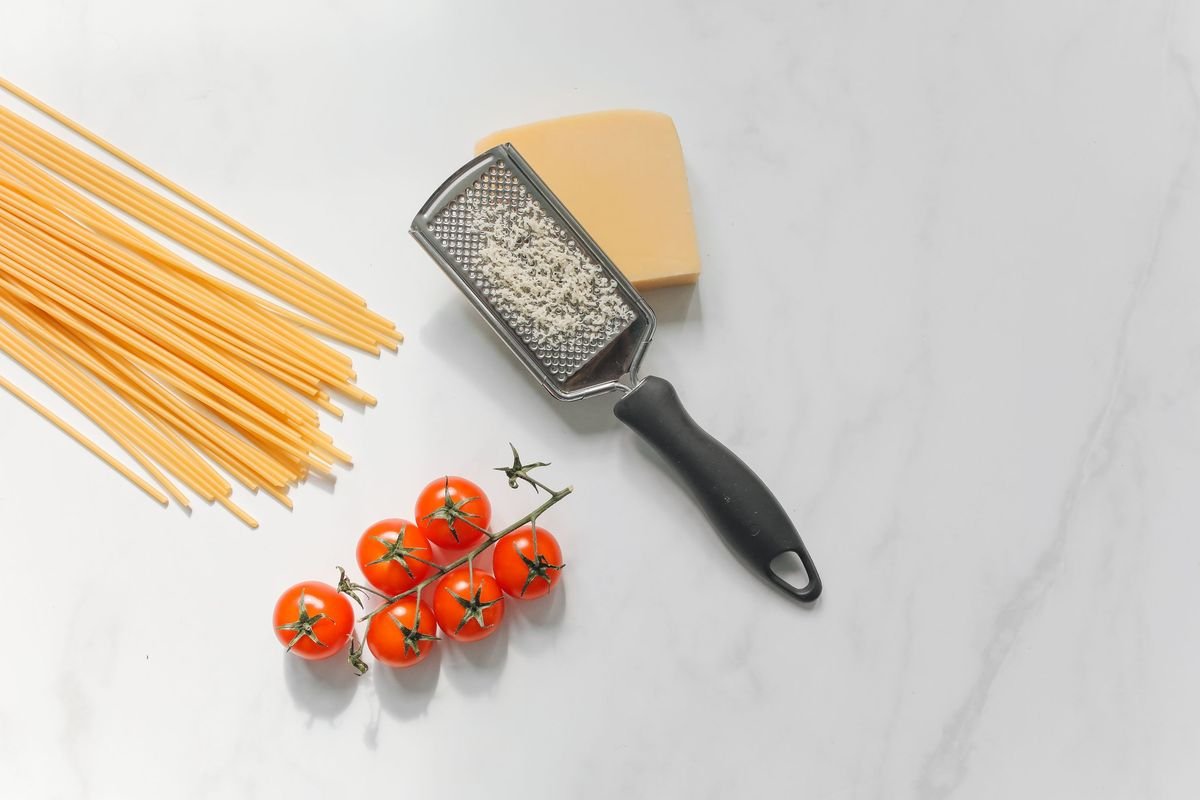
Many dog owners love sharing human foods with their pets, but not all foods are safe. Parmesan cheese is a popular topping for pasta and salads, and you might wonder if it’s okay to give your dog a bite.
The short answer is yes, dogs can eat Parmesan cheese in very small amounts, but there are important precautions to consider.
Parmesan is a hard, aged cheese that is lower in lactose than softer cheeses, which makes it less likely to cause digestive upset. However, it is also high in salt and fat, which can be problematic for dogs if consumed in large quantities.
Before you sprinkle some Parmesan on your dog’s food, understand the potential risks and benefits. This article covers everything you need to know about feeding Parmesan cheese to dogs, including how much is safe and what healthier alternatives exist.
Is Parmesan Cheese Safe for Dogs?
Parmesan cheese is generally safe for dogs in small amounts. Because it is aged and hard, it contains very little lactose. Many dogs that are lactose intolerant can tolerate small quantities of Parmesan without issues. However, the high sodium and fat content mean that it should never be a regular part of your dog’s diet. A tiny sprinkle as an occasional treat is fine, but a large chunk could cause problems. Always monitor your dog after introducing any new food.
Nutritional Profile of Parmesan Cheese
Parmesan is a nutrient dense cheese. One ounce (28 grams) contains about 110 calories, 10 grams of fat, 7 grams of protein, and 330 milligrams of sodium. It also provides calcium and phosphorus. For a small dog, even a small amount can represent a significant portion of their daily calorie and sodium intake. The protein is beneficial, but the fat and salt outweigh the benefits for most dogs.
Potential Risks of Feeding Parmesan to Dogs
While a tiny amount is unlikely to harm a healthy dog, there are several risks to consider.
High Sodium Content
Parmesan is salty. Dogs require only a small amount of sodium in their diet, and too much can lead to sodium ion poisoning. Symptoms include vomiting, diarrhea, increased thirst, and in severe cases, tremors or seizures. Dogs with heart disease or kidney problems are especially sensitive.
High Fat Content
The fat in Parmesan can contribute to pancreatitis, a painful and potentially serious inflammation of the pancreas. Breeds like Miniature Schnauzers are more prone to pancreatitis. A high fat treat can trigger an episode.
Lactose Intolerance
Although Parmesan is low in lactose, some dogs are extremely sensitive. If your dog shows signs of digestive upset after eating cheese, such as gas, bloating, or diarrhea, avoid it altogether.
Choking Hazard
Hard cheese like Parmesan can be a choking risk, especially for small dogs. Grate it finely to reduce the risk.
How Much Parmesan Can Dogs Eat?
The amount depends on your dog’s size and health. A general guideline: for a small dog (under 20 pounds), no more than a pinch (about 1/8 teaspoon) of grated Parmesan. For a medium to large dog (20 to 80 pounds), up to half a teaspoon. For giant breeds, a full teaspoon might be okay as an occasional treat. Never feed a whole slice or wedge. If your dog has a medical condition like kidney disease or pancreatitis, avoid Parmesan entirely.
Healthier Cheese Alternatives for Dogs
If you want to give your dog cheese, there are better choices. Low fat cottage cheese or plain mozzarella have less salt and fat. Small cubes of cheddar are okay in tiny amounts. For dogs with lactose intolerance, lactose free cheese options exist. Always choose unflavored, low sodium varieties. You can also use plain yogurt (with live cultures) as a probiotic treat. Remember that cheese should only be an occasional reward, not a staple.
Signs Your Dog Ate Too Much Parmesan
If your dog sneaks a large quantity of Parmesan, watch for symptoms of distress. These include vomiting, diarrhea, excessive thirst, lethargy, loss of appetite, or abdominal discomfort. In severe cases with high salt intake, you might see incoordination or seizures. Contact your veterinarian immediately if you notice any concerning signs. For mild upset, offer fresh water and withhold food for a few hours to let the stomach settle.
Final Verdict: Can Dogs Eat Parmesan Cheese?
Yes, dogs can eat Parmesan cheese in very small amounts as an occasional treat. It is lower in lactose than many other cheeses, but its high salt and fat content make it a risky choice for regular feeding. Always grate it fine, offer only a pinch, and ensure your dog has access to fresh water. If you have any doubts about your dog’s health, consult your veterinarian before introducing new human foods. Remember that many healthier treat options exist that provide more nutritional benefit with less risk.