
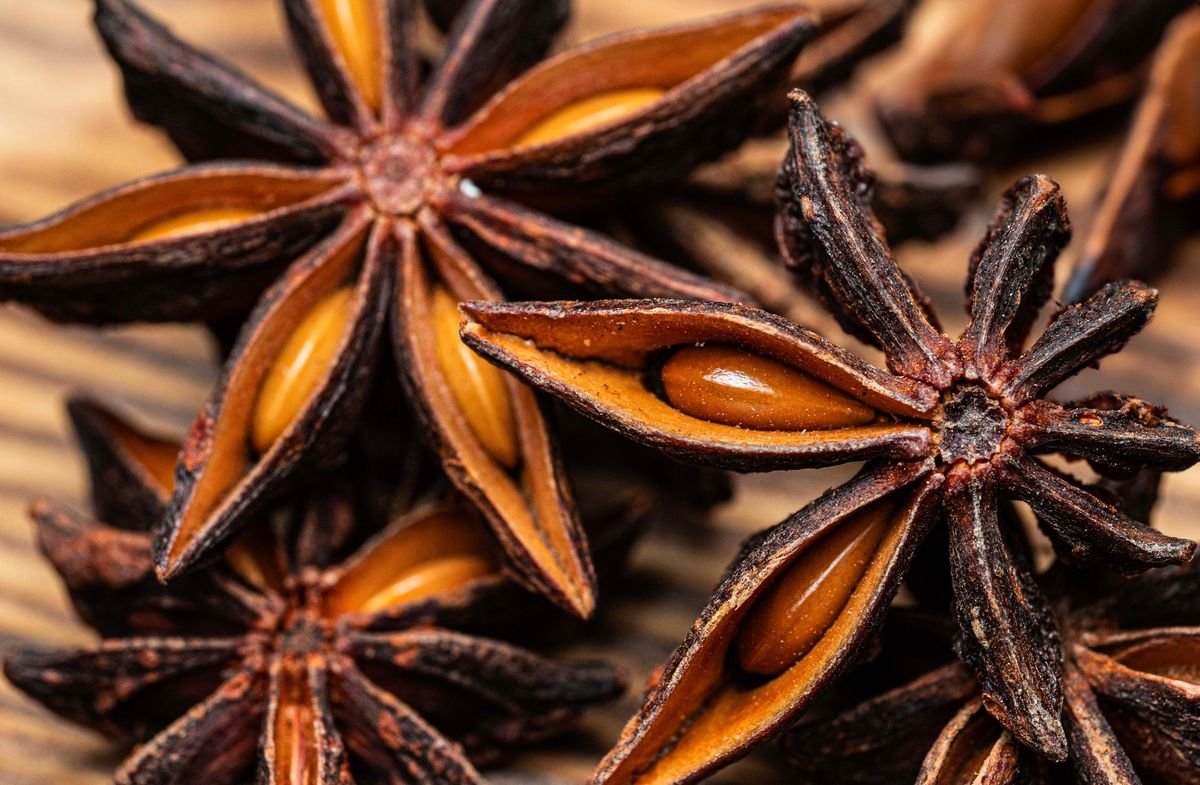
Anise is a spice with a licorice-like flavor that appears in some dog treats and even training aids. But can dogs have anise safely? The short answer is yes, in small amounts. However, there are important considerations to keep in mind before sharing this spice with your canine companion.
Anise is not the same as star anise, which comes from a different plant and can be toxic to dogs. True anise (Pimpinella anisum) is generally considered safe for dogs when used sparingly. This article explores the potential benefits, risks, and proper ways to offer anise to your dog.
What Is Anise?
Anise, also known as aniseed, is a flowering plant native to the Mediterranean and Southwest Asia. Its seeds have a sweet, licorice-like aroma and are used as a spice in cooking and baking. Anise should not be confused with star anise (Illicium verum), which is botanically unrelated and can be harmful to dogs.
Anise contains compounds like anethole, which give it its characteristic scent and taste. It has been used for centuries in human herbal medicine to aid digestion and freshen breath. For dogs, anise is sometimes used as a natural flavor enhancer in treats or as a tool in scent training.
Is Anise Safe for Dogs?
True anise (Pimpinella anisum) is recognized by the FDA as safe for use in dog food and treats when used in small quantities. Many commercial dog treats list anise as an ingredient. However, ‘safe’ depends on the amount and the form.
An essential oil of anise is much more concentrated and should never be given to dogs internally or applied to their skin without veterinary guidance. Whole anise seeds or ground anise powder are the safest forms for dogs, but they should only be used as an occasional addition to their diet, not a daily supplement.
Anise vs. Star Anise: Know the Difference
Star anise is a different plant (Illicium verum) and contains compounds that can be neurotoxic to dogs. Even small amounts of star anise can cause seizures, vomiting, and other serious symptoms. Always ensure that any anise product you give your dog is labeled as ‘aniseed’ or ‘Pimpinella anisum’ and not ‘star anise’. When in doubt, consult your veterinarian.
Potential Benefits of Anise for Dogs
In small amounts, anise may offer some benefits for dogs. It acts as a natural breath freshener and can help soothe mild digestive upset, such as gas or bloating. The strong scent of anise also makes it useful in training. Some trainers use it to encourage dogs to find hidden objects, similar to the way dogs are trained to detect certain scents.
Anise may also have mild antimicrobial properties due to its volatile oils, though more research is needed to confirm these effects in dogs.
Risks and Side Effects of Anise for Dogs
Too much anise can cause problems. Overconsumption may lead to an upset stomach, vomiting, diarrhea, or lethargy. Because anethole acts as a stimulant, large amounts could overexcite your dog or cause neurological issues like tremors or disorientation. Dogs with a history of seizures should avoid anise, as it may lower the seizure threshold.
Allergic reactions are possible, though rare. Signs include itching, swelling, or difficulty breathing. If you notice any adverse effects after giving your dog anise, stop immediately and contact your vet.
How Much Anise Can Dogs Have?
There is no established universal dosage, but a general rule is to keep it minimal. For a small dog (under 20 pounds), a pinch of ground anise (about 1/8 teaspoon) a few times per week is plenty. For medium to large dogs, up to 1/4 teaspoon a few times per week is reasonable. Start with a tiny amount to see how your dog reacts.
Never give anise essential oil internally. Even a few drops can be toxic. Stick to culinary-grade whole or ground anise seeds. If your dog accidentally eats a large amount of anise (e.g., a whole bag of anise-flavored cookies), monitor for signs of toxicity and call your vet.
How to Feed Anise to Dogs Safely
The safest way to offer anise is to sprinkle a small amount of ground anise over your dog’s regular food. You can also use it in homemade dog treat recipes. For a simple breath freshener, add a pinch of ground anise to their water bowl (though they may not like the taste).
Avoid anise-flavored human foods like licorice candy, which often contain xylitol (a toxic sweetener) or excessive sugar. Also, never give anise-based essential oils or tinctures unless prescribed by a holistic veterinarian.
Safer Alternatives to Anise for Dogs
If you are unsure about anise, there are other herbs and spices that are generally safer for dogs. Parsley is excellent for fresh breath and is rich in vitamins. Fennel seeds are similar to anise in flavor and are known for digestive benefits. Turmeric is a powerful anti-inflammatory, and ginger can help with nausea. Always start with small amounts of any new herb and watch for reactions.
Frequently Asked Questions
Q: Can puppies have anise? A: It is best to avoid giving anise to puppies, as their digestive systems are more sensitive. Stick to plain meals until they are fully grown.
Q: Is anise safe for dogs with epilepsy? A: No. Anise may increase the risk of seizures, so it is not recommended for dogs with seizure disorders.
Q: Can anise help with a dog’s bad breath? A: Yes, the aromatic compounds in anise can temporarily freshen breath. However, chronic bad breath often signals dental disease or other health issues, so consult your vet.
Q: What should I do if my dog eats a lot of anise? A: Contact your veterinarian or a pet poison helpline if you suspect your dog consumed a large quantity. Symptoms like vomiting, diarrhea, or hyperactivity may require medical attention.