
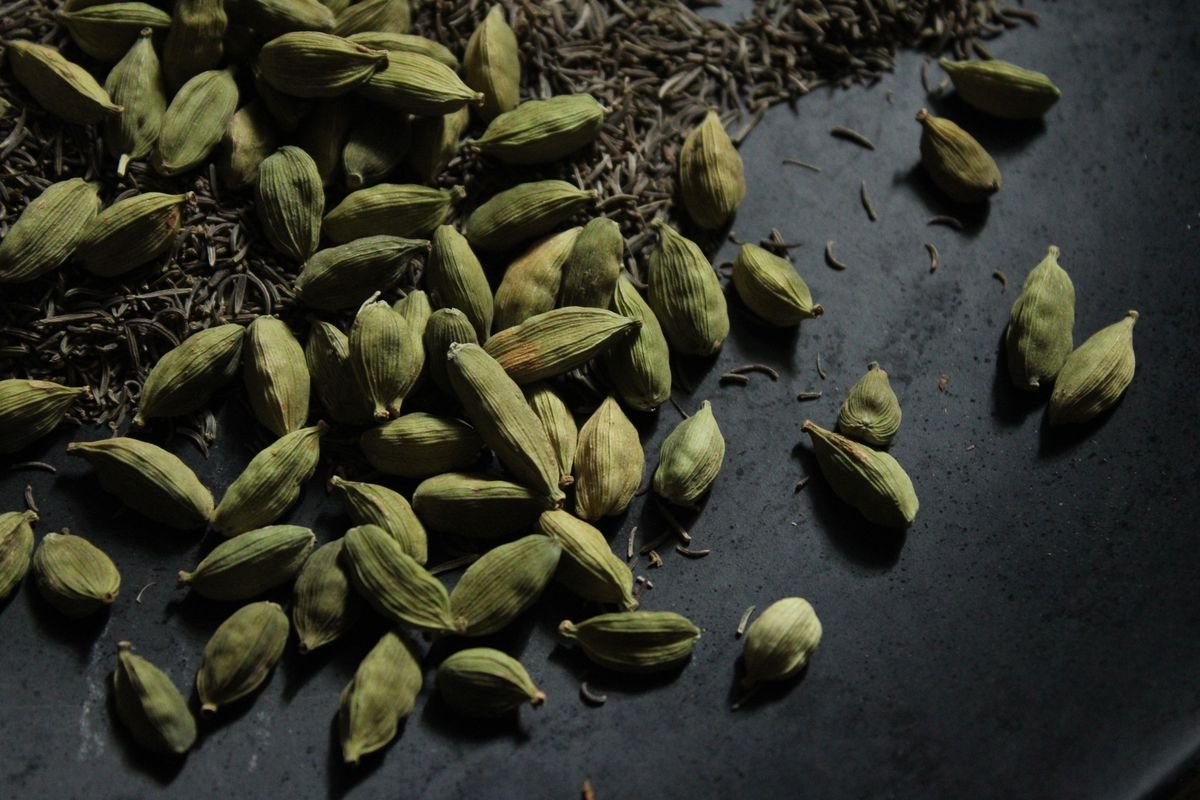
Cardamom is a popular spice known for its aromatic flavor and potential health benefits in humans. If you are a dog owner who enjoys cooking with cardamom, you might wonder whether sharing a pinch with your furry friend is safe. The short answer is that a small amount of cardamom is generally not toxic to dogs, but there are important considerations. This article dives into the safety, potential benefits, risks, and proper ways to introduce cardamom to your dog’s diet.
Is Cardamom Safe for Dogs?
Cardamom is not toxic to dogs according to the ASPCA, but that does not mean it is completely risk-free. In tiny amounts, such as a light dusting on food or a single pod, it is unlikely to cause harm. However, cardamom is a potent spice, and dogs have sensitive digestive systems. Large quantities can lead to gastrointestinal upset, including vomiting or diarrhea. Additionally, some dogs may have individual sensitivities or allergies. Always start with a minimal amount and observe your dog for any adverse reactions.
Potential Benefits of Cardamom for Dogs
When used sparingly, cardamom may offer a few health advantages for your dog, thanks to its natural compounds.
Digestive Health
Cardamom has been traditionally used to aid digestion in humans, and it may have similar mild effects in dogs. It can help relieve gas, bloating, and indigestion. If your dog occasionally struggles with a gassy tummy, a very small amount of ground cardamom mixed into their food might provide gentle relief. However, it is not a substitute for veterinary treatment if digestive issues are chronic or severe.
Anti-Inflammatory Properties
Cardamom contains antioxidants and compounds with anti-inflammatory properties. These may help reduce inflammation in dogs with conditions like arthritis or allergies. While the effect is likely mild, incorporating a tiny pinch of cardamom into an otherwise healthy diet could offer minor support. Always consult your vet before using spices as a therapy for inflammation.
Fresh Breath
Cardamom is known for its pleasant, slightly minty flavor and has been used as a natural breath freshener in humans. A very small amount of cardamom can help freshen your dog’s breath temporarily. However, it is not a replacement for regular dental care. If your dog has persistent bad breath, a vet checkup is recommended to rule out dental or health issues.
Risks and Precautions
Despite potential benefits, cardamom comes with risks that every dog owner should understand before sharing.
Allergic Reactions
Just like humans, dogs can be allergic to spices, including cardamom. Signs of an allergic reaction include itching, hives, swelling of the face or paws, excessive licking, or gastrointestinal upset. If you notice any of these symptoms after giving cardamom, discontinue use immediately and contact your veterinarian.
Overdose and Toxicity
While cardamom is not toxic per se, too much can overwhelm a dog’s system. Overdose symptoms may include vomiting, diarrhea, drooling, lethargy, or even changes in heart rate. Because dogs are much smaller than humans, even a teaspoon of ground cardamom can be excessive for a small breed. Stick to a pinch (1/8 teaspoon or less) for large dogs, and even less for small dogs.
Essential Oils
Cardamom essential oil is highly concentrated and should never be given to dogs orally or applied to their skin without veterinary guidance. Ingesting essential oils can cause severe digestive upset, neurological symptoms, or even organ damage. Only use the dried spice or whole pods, and avoid any products containing cardamom extract or oil unless prescribed.
How to Safely Give Cardamom to Your Dog
If you decide to offer cardamom to your dog, follow these guidelines to minimize risk. First, choose organic, pure cardamom without added sugars, salts, or artificial flavors. Ground cardamom or whole pods are fine, but remove the hard outer shell of the pod. Start with a very small amount: for a medium to large dog, a pinch (about 1/8 teaspoon) of ground cardamom mixed into their regular food is a safe starting point. For small dogs (under 20 pounds), use just a tiny sprinkle. Observe your dog for 24 hours to ensure no adverse reactions. Never force your dog to eat cardamom if they refuse it. If your dog has a chronic health condition or is on medication, consult your vet first.
What to Do If Your Dog Eats Too Much Cardamom
Accidents happen. If your dog consumes a large amount of cardamom, stay calm. Remove any remaining cardamom from their reach. Offer fresh water to help dilute the spice. Monitor your dog for signs of gastrointestinal upset, such as vomiting, diarrhea, or excessive drooling. Most cases resolve on their own within a few hours. However, if symptoms are severe (e.g., persistent vomiting, lethargy, or difficulty breathing) or if your dog has a pre-existing medical condition, contact your veterinarian or a pet poison control hotline immediately. Keep the packaging of the cardamom handy to provide information about the amount and type consumed.
Healthy Alternatives to Cardamom
If you prefer to avoid spices altogether, there are plenty of dog-safe herbs and vegetables that offer similar benefits without the risks. For digestive health, consider plain pumpkin (not pie filling) or ginger in very small amounts. For fresh breath, mint leaves (specifically spearmint, not pennyroyal) can be a safe option when given sparingly. For anti-inflammatory support, turmeric in tiny amounts combined with a pinch of black pepper (which enhances absorption) may be used, but always consult your vet first. Remember, a balanced commercial dog food already contains the nutrients your dog needs, so spices are not necessary for their diet.
Final Thoughts
In moderation, cardamom is not dangerous for dogs, but it is not a necessary addition to their diet. A tiny pinch occasionally may offer mild digestive or breath benefits, but the risks of allergic reactions or overdose should not be ignored. Always prioritize your dog’s safety by starting with the smallest possible amount and consulting your veterinarian if you have any doubts. When in doubt, there are many other safe and healthy treats you can share with your furry friend.