
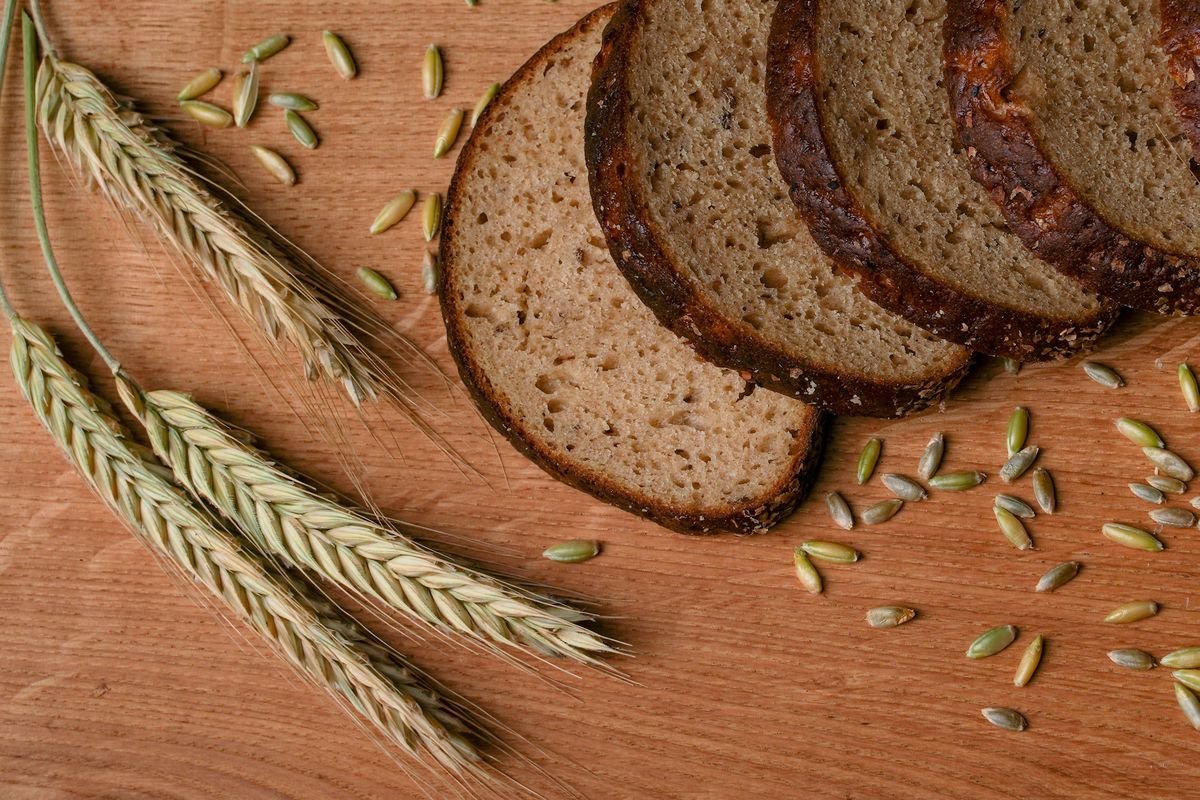
Many dog owners wonder whether sharing a piece of whole grain bread with their furry friend is safe. While plain whole grain bread in small amounts is generally not toxic to dogs, there are several factors to consider before making it a regular treat. This article explores the benefits, risks, and proper ways to feed whole grain bread to your dog.
Whole grain bread contains fiber and nutrients that can be beneficial, but it also poses choking hazards, digestive issues, and potential ingredients like raisins or xylitol that are dangerous. Understanding these nuances helps you make an informed decision for your pet’s health.
Is Whole Grain Bread Safe for Dogs?
The short answer is yes, plain whole grain bread is safe for dogs in moderation. However, not all breads are created equal. Many commercial breads contain added sugars, salt, preservatives, or toxic ingredients like raisins, garlic, or xylitol (a sugar substitute toxic to dogs). Always check the ingredient list before sharing.
Even safe bread should only be given as an occasional treat. Whole grain bread made from 100% whole wheat or other whole grains without harmful additives is the safest choice. A small piece (about the size of your thumb) is sufficient for most dogs.
Potential Health Benefits of Whole Grain Bread for Dogs
Whole grain bread offers some nutritional advantages over white bread. It provides dietary fiber, which can aid digestion and help regulate bowel movements. The B vitamins and minerals like iron, magnesium, and selenium found in whole grains support overall health.
However, these benefits are minimal compared to a balanced commercial dog food. Whole grain bread should not replace your dog’s regular diet but can be a small supplement for extra fiber.
Fiber for Digestive Health
Fiber can help dogs with mild constipation or diarrhea by normalizing stool consistency. But too much fiber can cause gas or bloating. If your dog has a sensitive stomach, introduce whole grain bread slowly and in tiny amounts.
Vitamins and Minerals
Whole grains contain B vitamins (thiamin, niacin, folate) and trace minerals. These nutrients support energy metabolism and immune function. Again, the quantity in a small bread piece is negligible compared to a complete diet.
Risks and Concerns When Feeding Whole Grain Bread to Dogs
Despite being non-toxic, whole grain bread carries several risks that pet owners should consider.
Choking Hazard and Digestive Blockage
Bread can swell in the stomach, especially if eaten dry or in large pieces. This can lead to choking or, in rare cases, a gastric blockage. Always tear bread into small, manageable pieces and ensure your dog chews properly.
Allergies and Sensitivities
Some dogs are allergic to wheat or gluten. Symptoms include itching, ear infections, or gastrointestinal upset. If you suspect an allergy, avoid bread entirely and consult your veterinarian.
Harmful Additives
Many breads contain raisins, xylitol, chocolate, garlic, onions, or excessive salt. These ingredients are toxic to dogs. Xylitol, even in small amounts, can cause rapid insulin release, leading to hypoglycemia and liver failure. Always read labels carefully.
Weight Gain and Nutritional Imbalance
Bread is high in carbohydrates and calories. Overfeeding can contribute to obesity, especially in sedentary dogs. Treats should make up no more than 10% of your dog’s daily calorie intake.
How to Safely Feed Whole Grain Bread to Your Dog
If you decide to give your dog whole grain bread, follow these guidelines to minimize risks.
Choose the Right Bread
Select 100% whole grain bread with no added sugars, salt, preservatives, or artificial ingredients. Avoid breads with seeds, nuts, or dried fruit as some can be harmful. Plain whole wheat bread is a good option.
Start with a Small Amount
Give a piece no larger than a square inch for a medium-sized dog. For small breeds, start with a crumb. Observe your dog for any adverse reactions over 24 hours.
Never Replace a Meal
Bread lacks the balanced protein, fats, and micronutrients dogs need. Use it as an occasional treat, not a dietary staple.
Avoid Moldy or Stale Bread
Moldy bread can contain mycotoxins that cause vomiting, diarrhea, or neurological issues. Always discard bread that shows any mold growth.
Healthy Alternatives to Whole Grain Bread
If you want a safe, nutritious treat, consider options specifically designed for dogs or dog-friendly human foods.
Dog-Safe Fruits and Vegetables
Carrots, green beans, apple slices (without seeds), and blueberries make excellent low-calorie treats. They provide vitamins and fiber without the carbohydrates of bread.
Plain Cooked Grains
Plain cooked brown rice, quinoa, or oatmeal (unsweetened) are easier to digest and less processed than bread. They can be mixed with your dog’s regular food in small amounts.
Commercial Dog Treats
Treats formulated for dogs offer balanced nutrition and are portion-controlled. Look for treats with whole grains as an ingredient, but ensure they lack harmful additives.
When to Contact Your Veterinarian
If your dog eats a large amount of whole grain bread or bread containing toxic ingredients, contact your veterinarian immediately. Symptoms of distress include vomiting, diarrhea, lethargy, loss of appetite, or signs of an allergic reaction like hives or facial swelling.
For minor overconsumption, monitor your dog and provide plenty of fresh water. If digestive upset persists for more than 24 hours, seek veterinary advice.
Final Verdict: Can Dogs Eat Whole Grain Bread?
Whole grain bread can be a safe occasional treat for most dogs if it is plain, free of toxic ingredients, and fed in moderation. However, it offers limited nutritional value and carries risks like choking, allergies, and weight gain. For the best health outcomes, prioritize a complete and balanced canine diet and reserve bread for rare moments when you want to share a small, safe nibble with your pet.
Always consult your veterinarian before introducing new foods, especially if your dog has existing health conditions such as diabetes, obesity, or gastrointestinal sensitivities.