
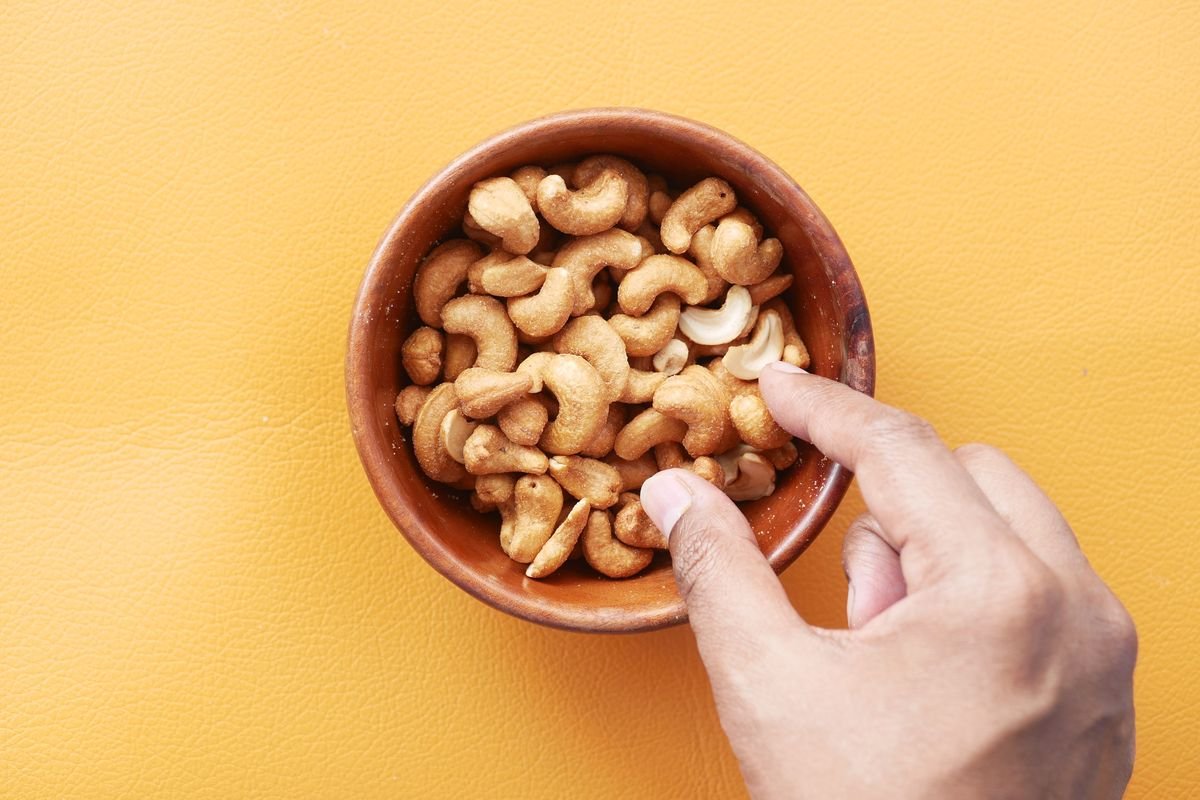
If you enjoy cashew butter as a creamy, nutty spread, you might wonder whether your dog can share this treat. The short answer is yes, plain unsalted cashew butter is generally safe for dogs in small amounts. However, there are important caveats. Not all cashew butters are created equal, and some can contain harmful additives. This guide covers everything you need to know before offering a spoonful to your pup.
Cashew butter is made from ground cashews, which are not toxic to dogs like macadamia nuts. In fact, cashews offer some nutritional benefits when fed responsibly. But like any nut butter, moderation is key due to the high fat content. Let’s dive into the details so you can make an informed decision.
Is Cashew Butter Safe for Dogs?
Plain, unsalted, and unsweetened cashew butter is safe for most dogs in small quantities. The key is to check the ingredient list. Cashew butter sold in stores often contains additives like salt, sugar, xylitol (a toxic artificial sweetener), or other flavorings. Xylitol is extremely dangerous for dogs, causing rapid insulin release and potentially fatal hypoglycemia. Always choose a brand that lists only cashews (or cashews and a pinch of salt) as ingredients.
Even with a safe product, introduce it gradually. Some dogs may have sensitive stomachs or nut allergies. Start with a tiny amount (e.g., 1/4 teaspoon for a small dog) and monitor for any signs of digestive upset or allergic reaction. If your dog has a known history of pancreatitis or is overweight, consult your veterinarian first.
Potential Health Benefits of Cashew Butter for Dogs
When fed in moderation, cashew butter can provide several nutritional perks. Cashews are rich in healthy monounsaturated and polyunsaturated fats, which support a shiny coat and healthy skin. They also contain protein, essential for muscle maintenance and energy.
Additionally, cashews offer minerals like magnesium (important for nerve function and bone health), phosphorus (for strong bones), and zinc (boosts immune system). They also provide small amounts of vitamin K, vitamin B6, and copper. However, these benefits are only meaningful if the cashew butter is part of a balanced diet, not as a major food source. Think of it as an occasional treat, not a dietary staple.
Risks and Precautions
Despite the benefits, there are several risks to keep in mind. The most significant is the high fat content. Cashew butter is calorie-dense and can contribute to obesity if overfed. In some dogs, a sudden high-fat intake can trigger pancreatitis, a painful and serious inflammation of the pancreas. Dogs with a history of pancreatitis or those prone to it should avoid cashew butter entirely.
Another concern is sodium. Many commercial cashew butters are salted, and excess sodium can lead to salt poisoning or aggravate heart conditions. Always choose unsalted varieties. Also, watch for additives like chocolate (which is toxic) or artificial sweeteners.
Choking is a risk if the nut butter is too thick or given in a large glob. Spread it thinly on a treat or mix it into a small amount of wet food instead. Lastly, some dogs may have nut allergies, though this is uncommon. Signs include itching, swelling, vomiting, or diarrhea. If you notice any adverse reaction, stop feeding and contact your vet.
How to Feed Cashew Butter to Your Dog Safely
If you have plain, unsalted cashew butter with no xylitol, follow these guidelines. Portion size depends on your dog’s size. A general rule: no more than one teaspoon per 10 pounds of body weight per day, and not every day. For small dogs, stick to 1/4 to 1/2 teaspoon. For large dogs, up to one tablespoon can be acceptable occasionally.
You can offer cashew butter as a lick on a spoon (supervise), stuff it into a Kong toy, mix it into their regular food, or use it to hide medication. Avoid feeding from the jar to prevent double dipping and to control portions. Remember, treats should not exceed 10% of your dog’s daily caloric intake.
Always introduce new foods one at a time. If you’re unsure about a particular brand, make your own cashew butter at home by blending unsalted roasted cashews in a food processor until smooth. That way you control the ingredients.
Cashew Butter vs. Peanut Butter: Which Is Better for Dogs?
Peanut butter is the most popular nut butter for dogs, but cashew butter is a great alternative. Both are safe in moderation if plain and unsalted. However, cashew butter tends to be slightly lower in fat than peanut butter, though the difference is small. Cashew butter also has a creamier texture that some dogs prefer.
The main advantage of peanut butter is that it’s widely available and often cheaper. However, peanut allergies in dogs are rare but exist. Cashew butter can be a good option for dogs with sensitivities to peanuts. Always avoid both if they contain xylitol. For dogs with kidney issues, cashew butter may be slightly lower in phosphorus than peanut butter, but consult your vet.
Ultimately, either can be a healthy treat when fed appropriately. Choose based on your dog’s taste and any dietary restrictions.
When to Avoid Cashew Butter Altogether
Certain dogs should not eat cashew butter at all. If your dog is overweight or obese, the extra calories and fat can worsen the condition. Similarly, dogs with pancreatitis or those prone to digestive upset should avoid high-fat treats. Also, if your dog has a known nut allergy or has shown allergic reactions to other nuts, skip cashew butter.
Puppies can have small amounts, but their digestive systems are more sensitive. Senior dogs with kidney or liver issues may need low-fat, low-sodium diets, so it’s best to consult your veterinarian. Finally, never feed cashew butter to a dog that is on a strict veterinary diet for medical reasons without professional approval.
In summary, cashew butter can be a tasty, nutritious occasional treat for most healthy dogs. Just keep it plain, use it sparingly, and monitor your dog’s response. When in doubt, ask your vet.