
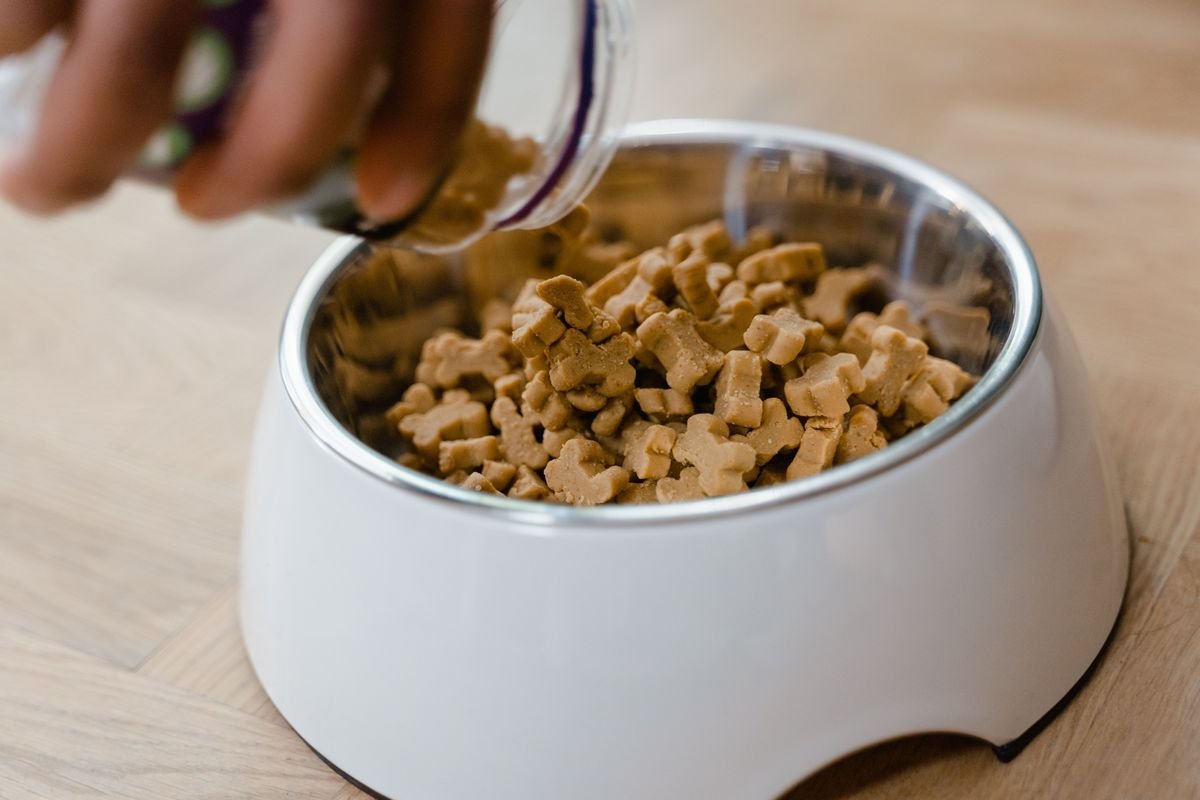
Many dog owners have wondered if their furry friend can share a biscuit. The short answer is: it depends on the biscuit. While some biscuits are safe for dogs in moderation, others contain ingredients that can be harmful. This article will help you understand what to look for and when to say no.
Biscuits are a common human snack, but dogs have different digestive systems and nutritional needs. Before offering any biscuit, it is crucial to check the ingredients. Some biscuits may be perfectly fine as an occasional treat, while others can cause digestive upset or even toxicity.
Are Human Biscuits Safe for Dogs?
Most human biscuits are not ideal for dogs. They often contain high amounts of sugar, salt, and unhealthy fats. Some also include ingredients that are toxic to dogs, such as chocolate, raisins, or xylitol (a sweetener). Plain biscuits like simple shortbread or unsalted crackers might be okay in tiny amounts, but they offer no nutritional value and can contribute to weight gain.
If you want to share a biscuit, choose one with minimal ingredients and no harmful additives. Even then, limit the amount to a small piece. Remember that treats should make up no more than 10% of your dog’s daily calorie intake.
Ingredients to Avoid in Biscuits
Some common biscuit ingredients are dangerous for dogs. Always avoid:
– Chocolate: Contains theobromine, which is toxic to dogs and can cause vomiting, diarrhea, seizures, and even death.
– Raisins and Grapes: Can cause kidney failure in dogs, even in small amounts.
– Xylitol: An artificial sweetener that leads to rapid insulin release, causing low blood sugar and liver damage.
– Macadamia Nuts: Can cause weakness, vomiting, and hyperthermia.
– Excess Salt: Can lead to sodium ion poisoning, symptoms include tremors, seizures, and vomiting.
– Nutmeg: In large amounts, nutmeg can cause hallucinations and seizures.
Always read the ingredient label carefully before sharing any human food with your dog.
Dog-Specific Biscuits: A Better Choice
Commercial dog biscuits are formulated with canine nutrition in mind. They are lower in sugar and salt, and they often include added vitamins and minerals. Many are also designed to help with dental health by reducing plaque and tartar buildup.
When selecting dog biscuits, look for brands that use natural ingredients and avoid artificial preservatives, colors, and flavors. Some popular options include biscuits made with oats, peanut butter (xylitol-free), pumpkin, or sweet potato. Always choose treats appropriate for your dog’s size and age.
Benefits of Dog Biscuits
Dog biscuits can be more than just a tasty snack. They can serve as training rewards, help with teething discomfort for puppies, and support dental hygiene. The crunchy texture can help scrape off soft plaque. Some biscuits are fortified with joint-supporting ingredients like glucosamine or omega fatty acids for skin and coat health.
However, even dog biscuits should be given in moderation. Overfeeding can lead to obesity and other health issues.
Homemade Dog Biscuit Recipes
Making your own dog biscuits gives you full control over ingredients. Simple recipes often include whole wheat flour, peanut butter (no xylitol), pumpkin puree, and eggs. You can bake them into fun shapes or small bite-sized pieces.
A basic recipe: Mix 2 cups whole wheat flour, 1/2 cup rolled oats, 1/2 cup peanut butter, 1/2 cup pumpkin puree, and 1 egg. Roll out dough and cut into shapes. Bake at 350°F (175°C) for 20-25 minutes. Let cool before serving.
Always consult your vet before introducing new foods, especially if your dog has allergies or health conditions.
How Many Biscuits Can a Dog Have?
The number of biscuits depends on the size, age, and activity level of your dog. As a general rule, treats (including biscuits) should not exceed 10% of your dog’s daily caloric needs. For a small dog, that might mean one small biscuit per day. For a large breed, you could offer two or three, depending on the treat’s size.
Watch for signs of weight gain or digestive upset. If your dog has a sensitive stomach, start with a tiny piece and observe for any adverse reactions. Always provide fresh water alongside treats.
Healthy Alternatives to Biscuits
If you want to offer a crunchy treat without the risks, consider these alternatives:
– Baby carrots or green beans: low-calorie and crunchy.
– Apple slices (no seeds): sweet and satisfying.
– Frozen blueberries: a cool treat for hot days.
– Rice cakes (plain): low in fat and salt.
– Plain air-popped popcorn: without butter or salt.
– Commercial dental chews: designed to clean teeth and freshen breath.
Each has its own benefits and risks, so introduce new foods gradually.
What to Do If Your Dog Eats Unsafe Biscuits
If your dog accidentally eats biscuits containing toxic ingredients, contact your veterinarian or a pet poison hotline immediately. Symptoms may not appear right away. Keep the packaging of the biscuits to help the vet identify the harmful substance.
For non-toxic but high-sugar or high-fat biscuits, monitor your dog for vomiting, diarrhea, or lethargy. Offer plenty of water and withhold food for a few hours to let the stomach settle. If symptoms persist, seek veterinary care.
Frequently Asked Questions
Can dogs have biscuits like Oreos? No. Oreos contain high sugar and cocoa, which is toxic. Even without cocoa, they are unhealthy.
Are dog biscuits necessary? No, but they can be a convenient training treat. Many owners prefer healthier options like vegetables.
Can puppies have biscuits? Yes, but only puppy-specific treats or very soft, small pieces to avoid choking. Consult your vet for age-appropriate treats.
What about digestive biscuits? Plain digestive biscuits might be okay in moderation if they contain no chocolate or raisins, but they are high in sugar and fat.