
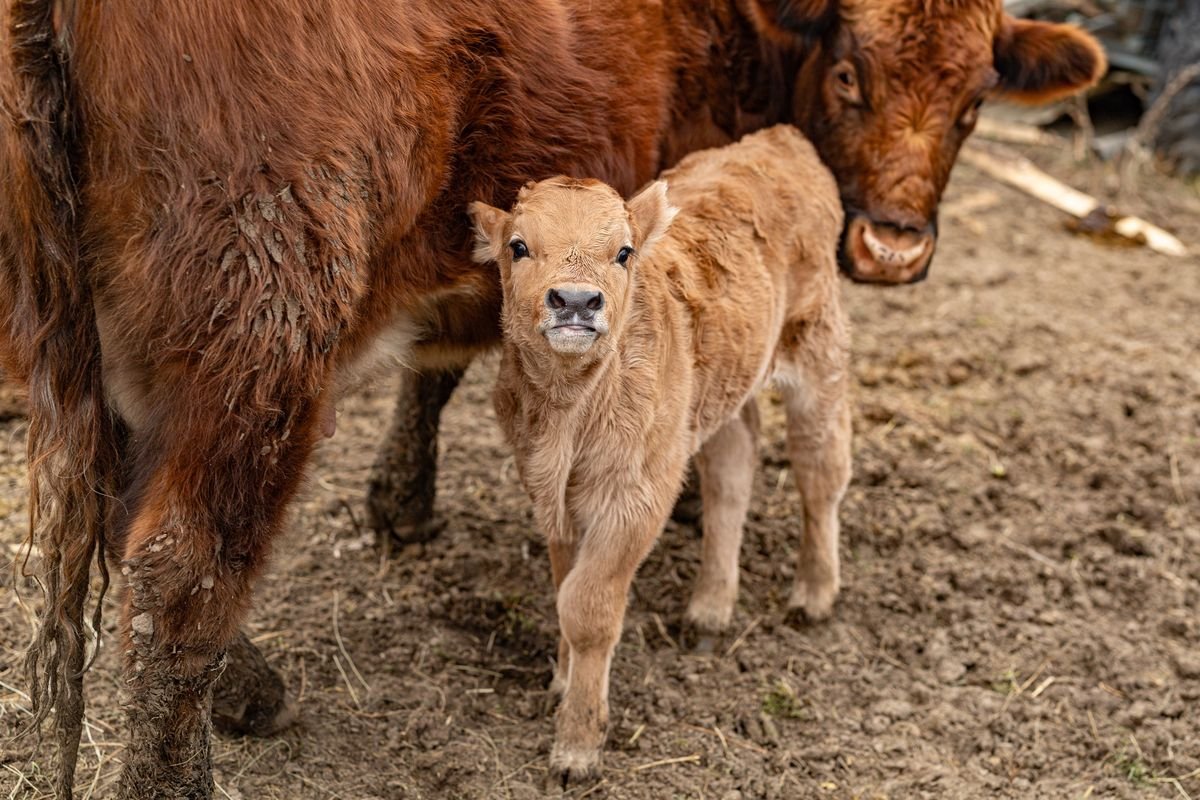
Yes, dogs can eat veal, but only in moderation and with proper preparation. Veal is a lean, nutrient-rich meat that can be a healthy addition to your dog’s diet when served plain, cooked, and without bones. However, there are important precautions to consider, such as the risk of pancreatitis from fat, choking hazards from bones, and the dangers of seasonings like garlic and onion.
Veal comes from young cattle, and its meat is tender and relatively low in fat compared to beef. This makes it a good protein source for dogs, especially those with sensitive stomachs or weight management needs. But before you share your veal chop or stew, let’s explore the benefits, risks, and proper feeding guidelines.
Health Benefits of Veal for Dogs
Veal offers several nutritional advantages that can support your dog’s overall health. It is packed with high-quality protein, essential vitamins, and minerals.
Here are some key benefits of adding veal to your dog’s diet.
High-Quality Protein
Protein is crucial for your dog’s muscle development, tissue repair, and immune function. Veal provides a complete amino acid profile, meaning it contains all the essential amino acids your dog needs. Compared to some other meats, veal protein is highly digestible, making it a great option for dogs with digestive sensitivities.
Rich in Vitamins and Minerals
Veal is a good source of B vitamins, particularly B12 and B6, which support energy metabolism and neurological health. It also provides zinc for skin and coat health, iron for red blood cell production, and selenium, an antioxidant that helps protect cells from damage. These nutrients contribute to a strong immune system and overall vitality.
Lower Fat Content
One of the advantages of veal over beef is its lower fat content. Lean cuts of veal can have less than 3 grams of fat per ounce, making it a suitable protein for dogs that need to watch their weight or have a history of pancreatitis. However, always choose lean cuts and trim any visible fat before cooking.
Risks and Precautions When Feeding Veal to Dogs
While veal can be a healthy treat, there are several risks to keep in mind. Improper preparation or overfeeding can lead to health issues.
Always prioritize safety when introducing any new food to your dog’s diet.
Seasonings and Additives
Never feed your dog veal that has been seasoned with garlic, onion, salt, or other spices. Garlic and onion are toxic to dogs and can cause anemia. Even small amounts of salt can lead to sodium ion poisoning. Always serve veal plain, without any marinades, sauces, or gravies.
Bones
Cooked veal bones are dangerous for dogs. They can splinter and cause choking, intestinal blockages, or punctures in the digestive tract. Raw bones also pose a risk of bacterial contamination and dental fractures. It is best to remove all bones before serving veal to your dog.
Fat Content and Pancreatitis
Although veal is leaner than beef, some cuts can still be high in fat. Excessive fat intake can trigger pancreatitis, a painful and potentially serious inflammation of the pancreas. Symptoms include vomiting, diarrhea, and loss of appetite. To minimize risk, trim all visible fat and avoid feeding fatty scraps or fried veal.
Allergic Reactions
Some dogs may be allergic or intolerant to veal. If your dog has never eaten veal before, start with a small amount and watch for signs of an allergic reaction, such as itching, hives, swelling, or digestive upset. If any symptoms occur, discontinue feeding and consult your veterinarian.
How to Safely Prepare Veal for Your Dog
Proper preparation is key to making veal a safe and nutritious treat for your dog. Follow these guidelines to ensure your pet stays healthy.
Cooking Methods
Cook veal thoroughly to an internal temperature of at least 145°F (63°C) to kill harmful bacteria like Salmonella or E. coli. Boiling, steaming, baking, or grilling without added oil are the best methods. Avoid frying or using butter, as these add unnecessary fat. Let the meat cool before serving, and cut it into small, bite-sized pieces to prevent choking.
Portion Size and Frequency
Veal should only make up a small portion of your dog’s diet. As a general rule, treats and extras should not exceed 10% of daily calories. For a medium-sized dog, a few small cubes (about 1-2 ounces) once or twice a week is sufficient. If you plan to use veal as a meal base, consult your veterinarian to ensure the diet is balanced. Always adjust portion sizes based on your dog’s size, age, and activity level.
Veal vs. Other Meats for Dogs
Veal is a good alternative to more common meats like chicken, beef, and lamb. Here is how it compares.
Chicken is often the go-to lean protein, but some dogs develop allergies to it. Veal can be a novel protein option for elimination diets. Beef is higher in iron but also higher in fat, whereas veal is leaner and easier to digest. Lamb is another option, but it can be fattier than veal. Ultimately, variety is beneficial, as different meats provide different nutrient profiles. Rotating proteins can help prevent food sensitivities and keep your dog interested in meals.
Frequently Asked Questions
Here are answers to common questions about feeding veal to dogs.
Can dogs eat veal bones?
No. Both raw and cooked veal bones are hazardous. Cooked bones splinter easily, while raw bones can carry bacteria and cause dental damage. Provide safe alternatives like rubber chew toys or veterinary-approved bones.
Can dogs eat veal liver?
Yes, in very small amounts. Liver is rich in vitamin A, which can be toxic in large quantities. A small piece once a week is generally safe, but consult your vet for exact serving sizes. Always cook liver thoroughly and avoid seasoning.
Can puppies eat veal?
Yes, but with caution. Puppies have sensitive stomachs, so introduce veal gradually and in tiny portions. Ensure the meat is well-cooked and cut into very small pieces to prevent choking. Consult your veterinarian before adding new proteins to a puppy’s diet.