
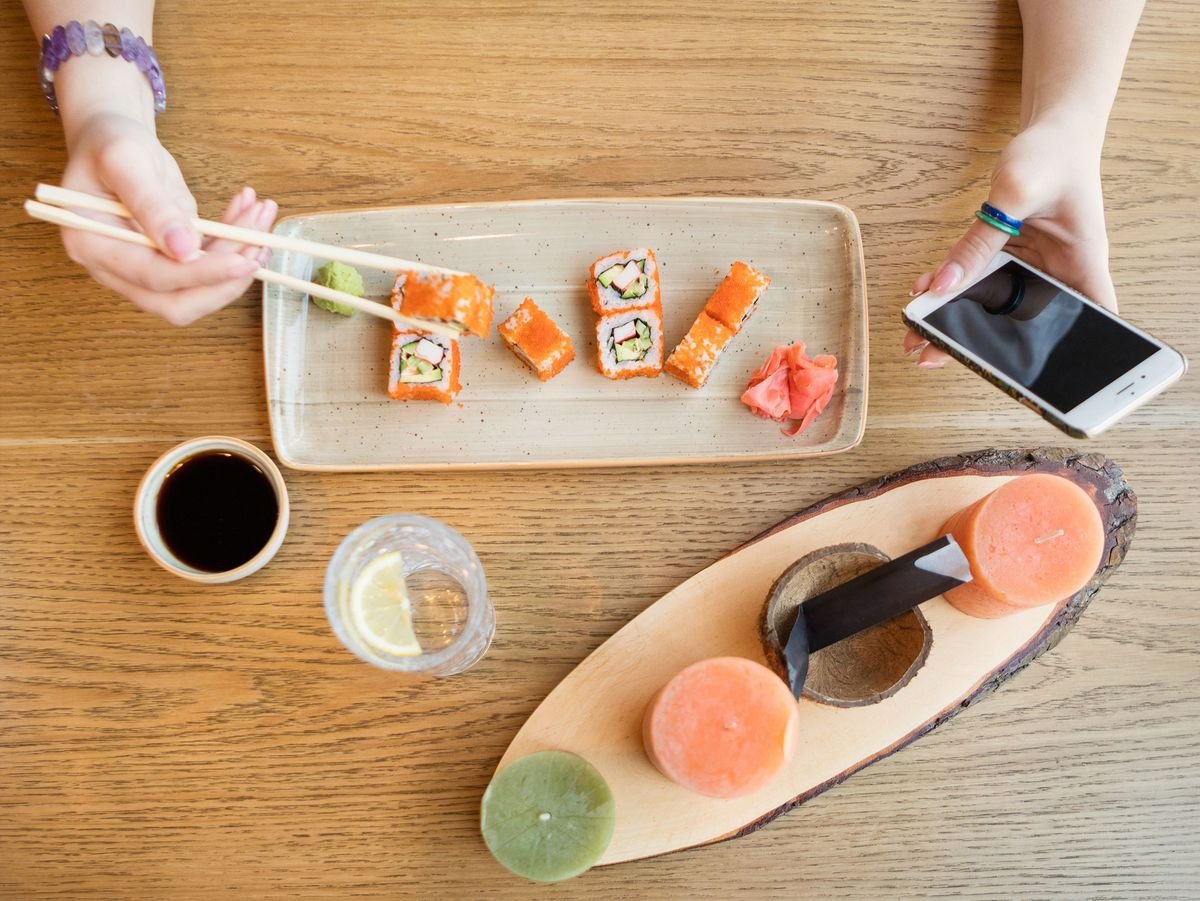
Many dog owners share bits of their meals with their pets, and sushi rice might seem harmless. After all, plain white rice is often recommended for dogs with upset stomachs. But sushi rice is not the same as plain rice. It is seasoned with rice vinegar, sugar, and sometimes salt, which can pose risks to your dog’s health.
So can dogs eat sushi rice? The short answer is that it is not recommended. While a small bite may not cause serious harm, the added ingredients make it an unnecessary and potentially problematic treat for your canine companion. Let’s break down why sushi rice is best kept off your dog’s menu.
What Is Sushi Rice?
Sushi rice refers to short-grain Japanese rice that has been cooked and then seasoned with a mixture of rice vinegar, sugar, and salt. This seasoning gives the rice a slightly sweet and tangy flavor that complements raw fish and other sushi ingredients. Unlike plain cooked rice, sushi rice is not intended to be eaten on its own without the accompanying seasonings.
The key difference is the addition of vinegar, sugar, and salt. Even a small serving of sushi rice contains these additives, which can affect your dog differently than plain rice.
Is Plain Cooked Rice Safe for Dogs?
Yes, plain cooked white or brown rice is generally safe for dogs in moderation. It is often used as a bland diet component for dogs with digestive issues, such as diarrhea or vomiting. Rice is easy to digest and provides carbohydrates for energy. However, it should not make up a large portion of your dog’s diet because it lacks essential nutrients like protein, fats, vitamins, and minerals.
When feeding plain rice, ensure it is cooked without any seasoning, oil, butter, or salt. Brown rice offers more fiber but can be harder to digest; white rice is usually recommended for sensitive stomachs.
The Risks of Sushi Rice for Dogs
Sushi rice contains several ingredients that can be harmful to dogs, especially in larger quantities or with repeated exposure. Below we discuss each component.
Vinegar
Rice vinegar is acidic but relatively mild. A small amount (such as a few licks) is unlikely to cause toxicity. However, it can irritate your dog’s stomach, leading to mild gastrointestinal upset like vomiting or diarrhea. Some dogs may also be sensitive to the taste and refuse the food.
There is a common myth that vinegar can help with fleas or skin issues, but there is no scientific evidence for this, and applying vinegar to a dog’s skin can cause irritation.
Sugar
The added sugar in sushi rice is unnecessary for dogs and can contribute to health problems. Dogs do not need dietary sugar; their bodies obtain glucose from other nutrients. Regularly feeding sugary foods can lead to weight gain, tooth decay, and an increased risk of diabetes. Even a small amount of sugar can be problematic for dogs with underlying conditions like pancreatitis or diabetes.
If your dog accidentally eats sushi rice, one small serving is unlikely to cause immediate harm, but it’s best to avoid making it a habit.
Salt
Sushi rice often contains salt to enhance flavor. While a tiny amount of salt is necessary for bodily functions, excess salt can be dangerous for dogs. Symptoms of too much salt include excessive thirst, frequent urination, vomiting, diarrhea, and in severe cases, sodium ion poisoning, which can cause tremors, seizures, or even coma.
The amount of salt in a few grains of sushi rice is minimal, but if your dog eats a large quantity of sushi rice or the rice is heavily salted, the risk increases. Always provide fresh water if your dog consumes any salty food.
Other Ingredients (Nori or Raw Fish)
Sushi rice is often paired with nori (seaweed) and raw fish. Nori is generally safe for dogs in small amounts, but it is high in iodine and can cause thyroid issues if fed excessively. Raw fish carries risks of parasites (like tapeworms) and bacteria (such as salmonella or listeria), which can cause serious illness in dogs. Cooked fish is a much safer option.
If your dog eats a piece of sushi roll that includes raw fish and seasoned rice, monitor for signs of digestive upset and consult your vet if symptoms develop.
What to Do If Your Dog Eats Sushi Rice
If your dog sneaks a bite of sushi rice, stay calm. For a small amount (like a few grains or a single piece of sushi), the most likely outcome is mild stomach upset. Offer fresh water and watch for signs such as vomiting, diarrhea, lethargy, or excessive thirst. Most dogs will pass the rice without issues.
If your dog eats a large quantity, especially if the rice was heavily seasoned or contains other ingredients like raw fish, contact your veterinarian. Also seek immediate help if your dog shows severe symptoms like difficulty breathing, seizures, or collapse. When in doubt, a call to your vet or a pet poison helpline is always a good idea.
Healthier Alternatives to Sushi Rice for Dogs
Instead of sushi rice, consider these safe and nutritious options for your dog:
– Plain cooked white or brown rice: Ideal for bland diets or as a small addition to regular meals.
– Cooked quinoa: A protein-rich grain that is easy to digest.
– Plain oatmeal: Unsweetened and unflavored cooked oats can be a good source of fiber.
– Mashed sweet potatoes or pumpkin: Excellent for digestive health and packed with vitamins.
Always introduce any new food gradually and in small amounts. Remove all seasonings, oils, and additives before offering them to your dog.
Final Verdict: Can Dogs Eat Sushi Rice?
Sushi rice is not recommended for dogs. While plain cooked rice is safe and even beneficial in some situations, the added vinegar, sugar, and salt in sushi rice pose unnecessary risks. A tiny taste may not cause harm, but it’s best to avoid giving sushi rice to your dog on purpose.
If you want to share a grain-based treat with your pup, stick to plain, unseasoned options. Your dog will be just as happy with a small spoonful of plain rice or another dog-friendly snack. Always prioritize your pet’s health over a momentary treat.